Introduction: Manufacturing is Changing Faster Than Ever
Manufacturing is going through a major transformation. Traditional production methods that rely on molds, tooling, and long lead times are slowly being replaced by smarter, faster, and more flexible technologies. One of the biggest drivers of this shift is large format 3D printing.
Today, industries are no longer limited by size, complexity, or cost in the same way they were before. With advanced additive manufacturing technologies, companies can now produce full-scale parts in a single print—reducing production time, lowering costs, and unlocking new design possibilities.
Large format 3D printing is not just an upgrade. It is a complete shift in how industrial production works.
What is Large Format 3D Printing?
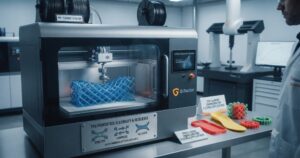
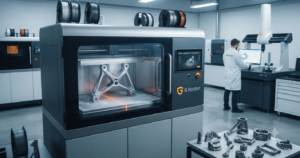
Large format 3D printing is a type of additive manufacturing that allows businesses to produce oversized parts using industrial-scale 3D printers. These machines are capable of printing components that can reach several meters in size.
Unlike small desktop printers, industrial systems are built for:
- High-speed production
- Large-scale components
- Industrial-grade materials
- Continuous operation
The two main technologies used in this space are:
Fused Filament Fabrication (FFF)
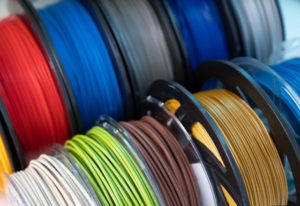
This method uses filament materials such as PLA, ABS, and PETG. It is ideal for applications that require precision and surface quality.
Fused Granular Fabrication (FGF)
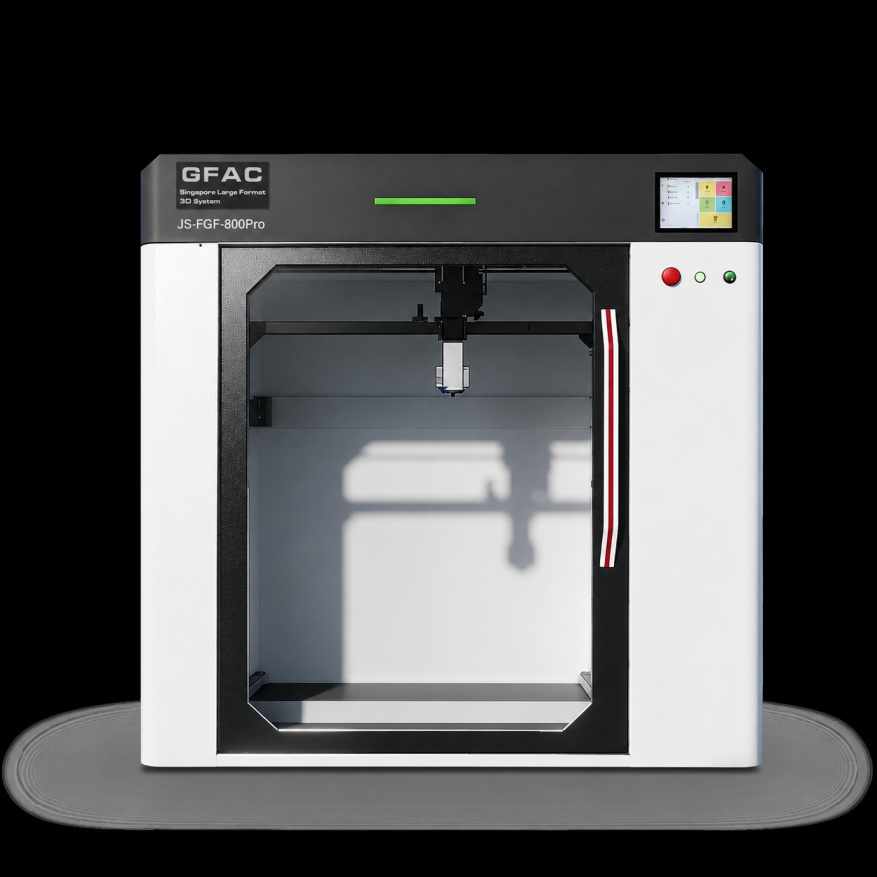
FGF uses plastic pellets instead of filament. This approach significantly reduces material costs and increases production speed, making it ideal for large-scale industrial use.
Why Large Format 3D Printing is the Future
Faster Production
Traditional manufacturing processes can take weeks or even months due to tooling and setup requirements. Large format 3D printing reduces this timeline dramatically.
A full-size prototype or functional part can often be printed in just hours or days.
Lower Costs
One of the biggest advantages is cost reduction. With pellet-based printing systems, material costs can be significantly lower compared to filament-based methods.
Additional savings come from:
- Eliminating molds and tooling
- Reducing labor requirements
- Minimizing material waste
- Lowering inventory costs
Design Freedom
Large format 3D printing allows engineers and designers to create complex shapes that would be difficult or impossible using traditional methods.
This includes:
- Organic and curved structures
- Lightweight designs
- Custom one-off parts
- Integrated components
Scalable Production
The same machine can be used for prototyping and final production. This makes it easier for companies to scale operations without investing in multiple manufacturing systems.
Traditional Manufacturing vs Large Format 3D Printing
| Feature | Traditional Manufacturing | Large Format 3D Printing |
|---|
| Setup Time | Weeks or months | Hours or days |
| Tooling | Required | Not required |
| Waste | High | Low |
| Flexibility | Limited | High |
| Customization | Difficult | Easy |
| Cost for Small Runs | High | Low |
Core Technologies Behind the Innovation
Advanced Melting Systems
Modern large format 3D printers use high-performance melting systems that allow materials to be processed efficiently at high temperatures. This ensures consistent output and faster printing speeds.
Screw Extrusion Technology
Screw extrusion systems provide stable and continuous material flow. This is especially important when printing large parts, as it ensures consistent quality throughout the entire build.
High-Temperature Capabilities
Industrial printers can reach temperatures of up to 450°C, allowing them to process advanced engineering materials such as:
- Carbon fiber composites
- High-performance thermoplastics
- Heat-resistant polymers
Real-World Applications
Large format 3D printing is already being used across multiple industries.
Automotive
- Rapid prototyping
- Custom body parts
- Manufacturing tools
Aerospace
- Lightweight components
- Complex geometries
- Functional prototypes
Architecture
- Building models
- Facade components
- Decorative structures
Marine
- Boat parts
- Hull models
- Custom fittings
Medical
- Prosthetics
- Surgical models
- Educational tools
How the Process Works
Understanding the workflow helps businesses adopt this technology more effectively.
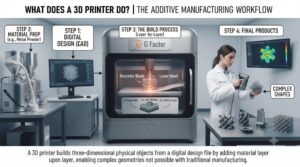
Step 1: Design
A 3D model is created using CAD software.
Step 2: Slicing
The model is converted into instructions that the printer can understand.
Step 3: Material Selection
Materials are chosen based on strength, flexibility, and application.
Step 4: Printing
The printer builds the object layer by layer.
Step 5: Finishing
Post-processing may include sanding, coating, or assembly.
Advantages and Challenges
Advantages
- Faster production cycles
- Reduced manufacturing costs
- Minimal material waste
- High customization capability
- Scalable production
Challenges
- High initial investment
- Requires skilled operators
- Material selection can be limited depending on application
Future Trends in Industrial 3D Printing
AI-Driven Manufacturing
Artificial intelligence is being integrated into 3D printing systems to improve efficiency, detect errors, and optimize print settings automatically.
Hybrid Manufacturing
Combining additive manufacturing with traditional machining allows for even greater precision and flexibility.
Sustainable Production
Recycled materials and eco-friendly plastics are becoming more common, helping reduce environmental impact.
On-Demand Production
Companies are moving toward producing parts only when needed, reducing storage and inventory costs.
Frequently Asked Questions
Is large format 3D printing cost-effective?
Yes, especially for small to medium production runs. It eliminates tooling costs and reduces material waste, making it highly efficient.
What materials can be used?
Common materials include PLA, ABS, PETG, TPU, and advanced composites such as carbon fiber-reinforced plastics.
How large can parts be?
Industrial systems can produce parts up to several meters in size, depending on the machine.
Is it suitable for mass production?
Yes. With technologies like FGF, large format 3D printing can support scalable production efficiently.
Final Thoughts
Large format 3D printing is not just a trend—it is the future of industrial manufacturing. It offers unmatched flexibility, speed, and cost efficiency that traditional methods simply cannot compete with.
As industries continue to evolve, companies that adopt this technology early will gain a significant competitive advantage.
Whether you are producing prototypes or full-scale products, large format 3D printing provides the tools needed to innovate, scale, and succeed in today’s fast-changing manufacturing landscape.