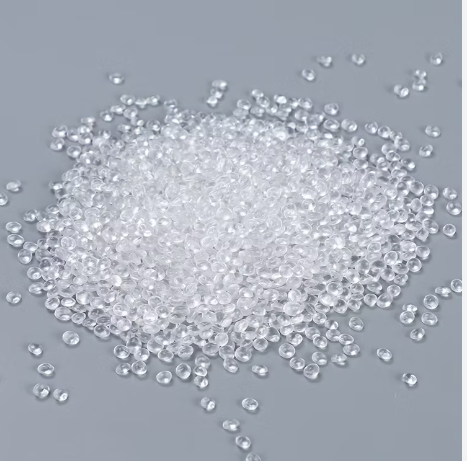
TPU (Thermoplastic Polyurethane) is a flexible engineering thermoplastic designed for both FFF (Fused Filament Fabrication) and FGF (Fused Granulate Fabrication) 3D printing. Known for its exceptional flexibility, elasticity, abrasion resistance, and durability, TPU is widely used for producing functional parts that require repeated bending, impact absorption, and long-term performance. It is an excellent material for automotive, medical, robotics, industrial manufacturing, and consumer product applications.
TPU is one of the most versatile 3D printing materials in modern additive manufacturing, combining the flexibility of rubber with the strength and durability of engineering plastics. Unlike rigid materials such as PLA or ABS, TPU can stretch, compress, and recover its original shape without cracking, making it ideal for dynamic applications. Available as both filament for FFF printers and pellets for FGF systems, TPU enables manufacturers to produce precision flexible components as well as large-format industrial parts with excellent mechanical performance and wear resistance.
Why Choose TPU for 3D Printing?
TPU is specifically engineered for applications where flexibility, durability, and impact resistance are essential. It offers excellent layer adhesion, outstanding wear resistance, and reliable mechanical properties, making it suitable for components exposed to continuous movement, vibration, or harsh operating environments. TPU also provides good resistance to oils, chemicals, and abrasion, extending the service life of printed parts.
Key Benefits
- Excellent flexibility and elasticity
- Superior abrasion and wear resistance
- Outstanding impact resistance
- Good chemical and oil resistance
- Excellent layer adhesion
- High fatigue resistance
- Durable for long-term industrial use
- Ideal for functional flexible components
Compatible Printing Technologies
TPU is fully compatible with both industrial additive manufacturing technologies offered by GFac.
FFF (Fused Filament Fabrication)
FFF technology uses TPU filament to manufacture highly detailed flexible components with excellent dimensional accuracy and surface quality. It is ideal for wearable products, seals, gaskets, protective covers, medical devices, vibration dampers, and low-volume production requiring flexibility and precision.
FGF (Fused Granulate Fabrication)
FGF technology processes TPU pellets, enabling manufacturers to produce large-format flexible components at higher printing speeds and lower material costs. TPU pellets are commonly used for industrial tooling, automotive parts, protective equipment, robotic components, furniture applications, marine products, and large-scale manufacturing where flexibility and productivity are essential.
Both technologies provide excellent performance, allowing manufacturers to choose the most suitable production method based on component size, production volume, and application requirements.
Common Applications
TPU is widely used across industries requiring flexible, durable, and impact-resistant components.
Typical applications include:
- Flexible engineering prototypes
- Seals and gaskets
- Protective covers and cases
- Automotive interior components
- Wheels and rollers
- Medical and healthcare products
- Wearable devices
- Robotics and automation components
- Industrial vibration dampers
- Large-format flexible industrial parts
TPU Material Properties
| Property | Typical Value |
|---|
| Material Type | Thermoplastic Polyurethane (TPU) |
| Compatible Technology | FFF & FGF |
| Feedstock | Filament & Pellets |
| Nozzle Temperature | 210–240°C* |
| Heated Bed Temperature | 40–60°C* |
| Flexibility | Excellent |
| Abrasion Resistance | Excellent |
| Chemical Resistance | Good |
| Impact Resistance | Excellent |
*Printing parameters may vary depending on the printer model and material grade.
FFF vs FGF Printing
| Feature | FFF Filament | FGF Pellet |
|---|
| Material Form | Filament | Plastic Pellets |
| Printing Speed | Medium | High |
| Build Size | Small to Medium | Medium to Extra Large |
| Surface Quality | Excellent | Good |
| Material Cost | Moderate | Lower |
| Best For | Precision Flexible Parts | Large Industrial Components |
Storage and Best Practices
TPU is hygroscopic and can absorb moisture from the surrounding environment, which may affect print quality and extrusion consistency. Store both TPU filament and pellets in a sealed container with desiccant in a cool, dry location. If moisture has been absorbed, dry the material before printing for the best results. A nozzle temperature of 210–240°C and a heated bed temperature of 40–60°C are generally recommended, although settings may vary depending on the material grade and printer configuration. For FFF printing, slower print speeds often improve extrusion accuracy, while FGF systems benefit from properly dried pellets for stable, high-speed production.