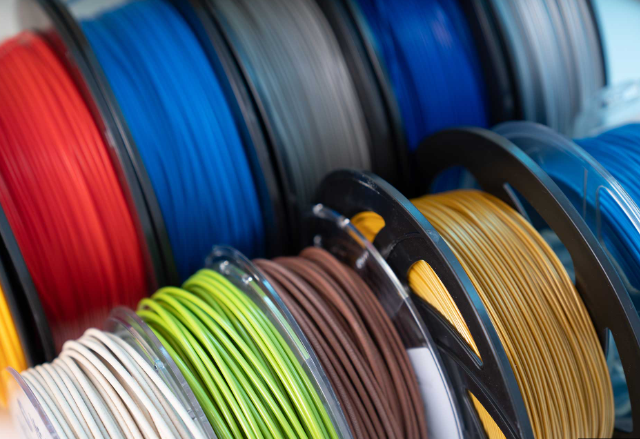
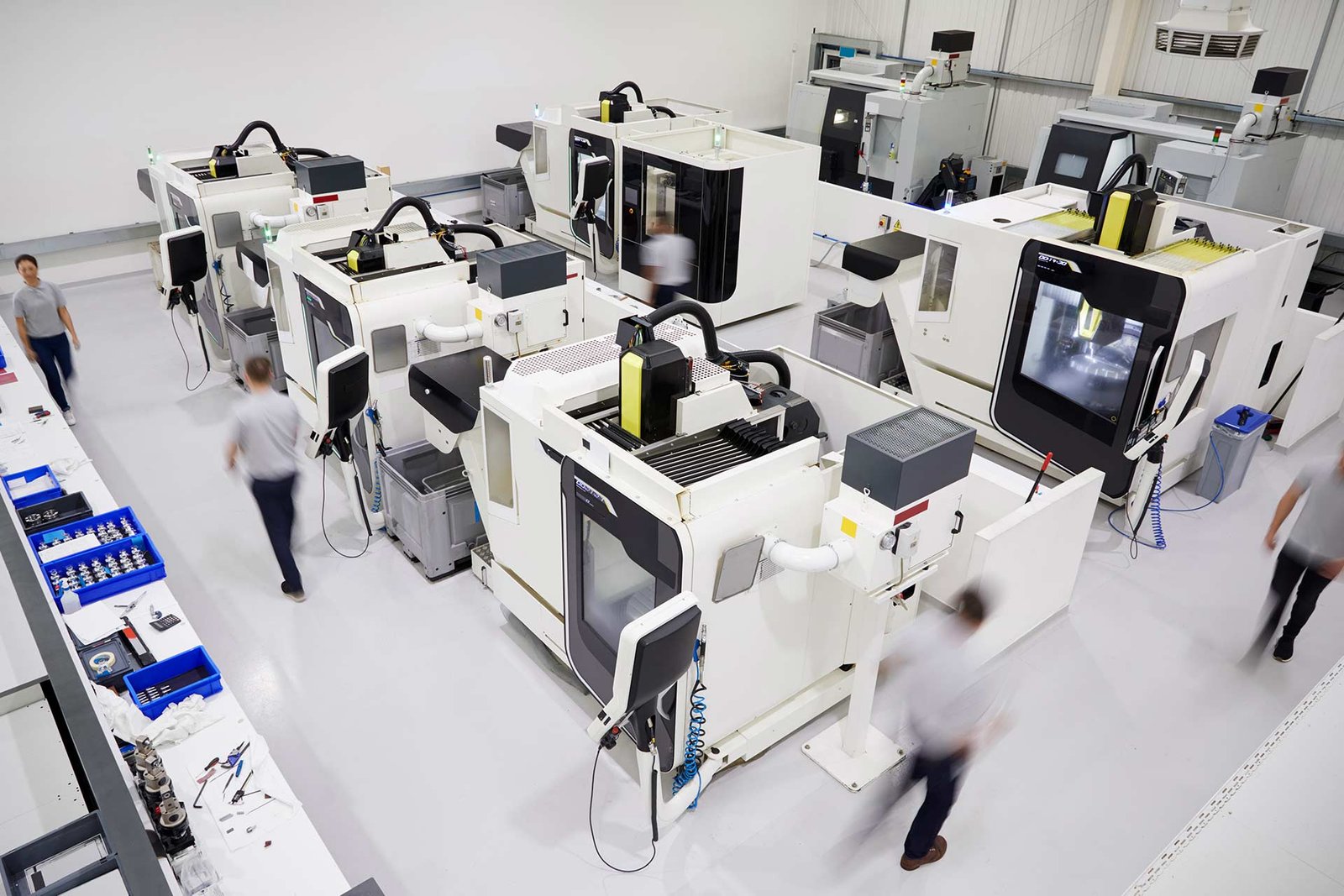
PLA (Polylactic Acid) is a sustainable thermoplastic designed for both FFF (Fused Filament Fabrication) and FGF (Fused Granulate Fabrication) 3D printing. Manufactured from renewable plant-based resources such as corn starch and sugarcane, PLA offers excellent printability, low warping, smooth surface finish, and high dimensional accuracy. It is widely used for rapid prototyping, product development, educational models, architectural designs, and industrial manufacturing.
PLA is one of the most widely used 3D printing materials in modern additive manufacturing because it combines ease of printing with consistent performance and cost efficiency. Its biodegradable composition, excellent layer adhesion, and reliable dimensional stability make it suitable for producing high-quality prototypes, concept models, functional components, and large-format industrial parts. Available as both filament for FFF printers and pellets for FGF systems, PLA provides manufacturers with flexible production options while maintaining excellent print quality and manufacturing efficiency.
Why Choose PLA for 3D Printing?
PLA is an ideal material for applications where precision, surface quality, and ease of printing are essential. It requires lower processing temperatures than many engineering plastics, reducing energy consumption while delivering excellent print consistency. PLA also produces minimal warping and shrinkage, allowing manufacturers to create accurate parts with fine details and smooth finishes.
Key Benefits
- Easy to print with excellent layer adhesion
- Low warping and minimal shrinkage
- Smooth, high-quality surface finish
- Renewable and biodegradable material
- Excellent dimensional accuracy
- Low printing odour
- Cost-effective for prototyping and production
- Suitable for both industrial and educational applications
Compatible Printing Technologies
PLA is fully compatible with both industrial additive manufacturing technologies offered by GFac.
FFF (Fused Filament Fabrication)
FFF technology uses PLA filament to manufacture highly detailed components with excellent surface quality and dimensional accuracy. It is ideal for rapid prototyping, product development, educational models, architectural designs, concept validation, and low-volume production requiring precision and repeatability.
FGF (Fused Granulate Fabrication)
FGF technology processes PLA pellets, enabling manufacturers to produce large-format components at significantly higher printing speeds and lower material costs. PLA pellets are ideal for furniture manufacturing, architectural structures, moulds, sculptures, display models, industrial tooling, and large-scale product development where production efficiency and affordability are important.
Both technologies deliver reliable performance, allowing manufacturers to choose the best solution based on production volume, component size, and manufacturing requirements.
Common Applications
PLA is widely used across numerous industries because of its excellent printability and versatility.
Typical applications include:
- Rapid prototyping
- Product design and development
- Architectural models
- Engineering concept models
- Educational and research projects
- Medical and anatomical models
- Consumer products
- Art and sculpture
- Exhibition and display models
- Large-format industrial prototypes
PLA Material Properties
| Property | Typical Value |
|---|
| Material Type | Polylactic Acid (PLA) |
| Compatible Technology | FFF & FGF |
| Feedstock | Filament & Pellets |
| Nozzle Temperature | 190–230°C* |
| Heated Bed Temperature | 50–70°C* |
| Surface Finish | Excellent |
| Warping | Very Low |
| Dimensional Accuracy | Excellent |
| Material Source | Renewable Plant-Based |
*Printing parameters may vary depending on the printer model and material grade.
FFF vs FGF Printing
| Feature | FFF Filament | FGF Pellet |
|---|
| Material Form | Filament | Plastic Pellets |
| Printing Speed | Medium | High |
| Build Size | Small to Medium | Medium to Extra Large |
| Surface Quality | Excellent | Good |
| Material Cost | Moderate | Lower |
| Best For | Precision Parts | Large Industrial Components |
Storage and Best Practices
To maintain consistent print quality, PLA should be stored in a sealed container with desiccant in a cool, dry environment to minimise moisture absorption. For optimal results, use a nozzle temperature of 190–230°C and a heated bed temperature of 50–70°C. Proper cooling improves overhangs and surface quality during FFF printing, while consistent pellet drying helps ensure stable extrusion in FGF manufacturing. Keeping PLA dry and properly stored helps reduce stringing, improves dimensional accuracy, and extends material shelf life.