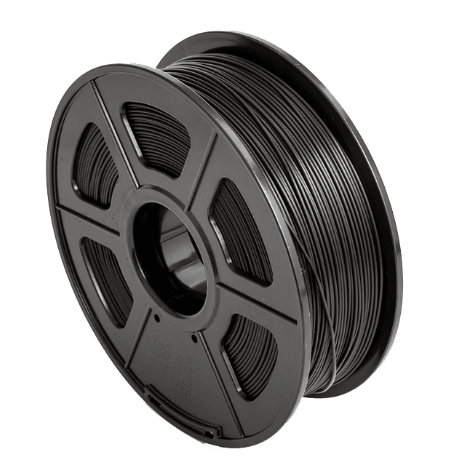
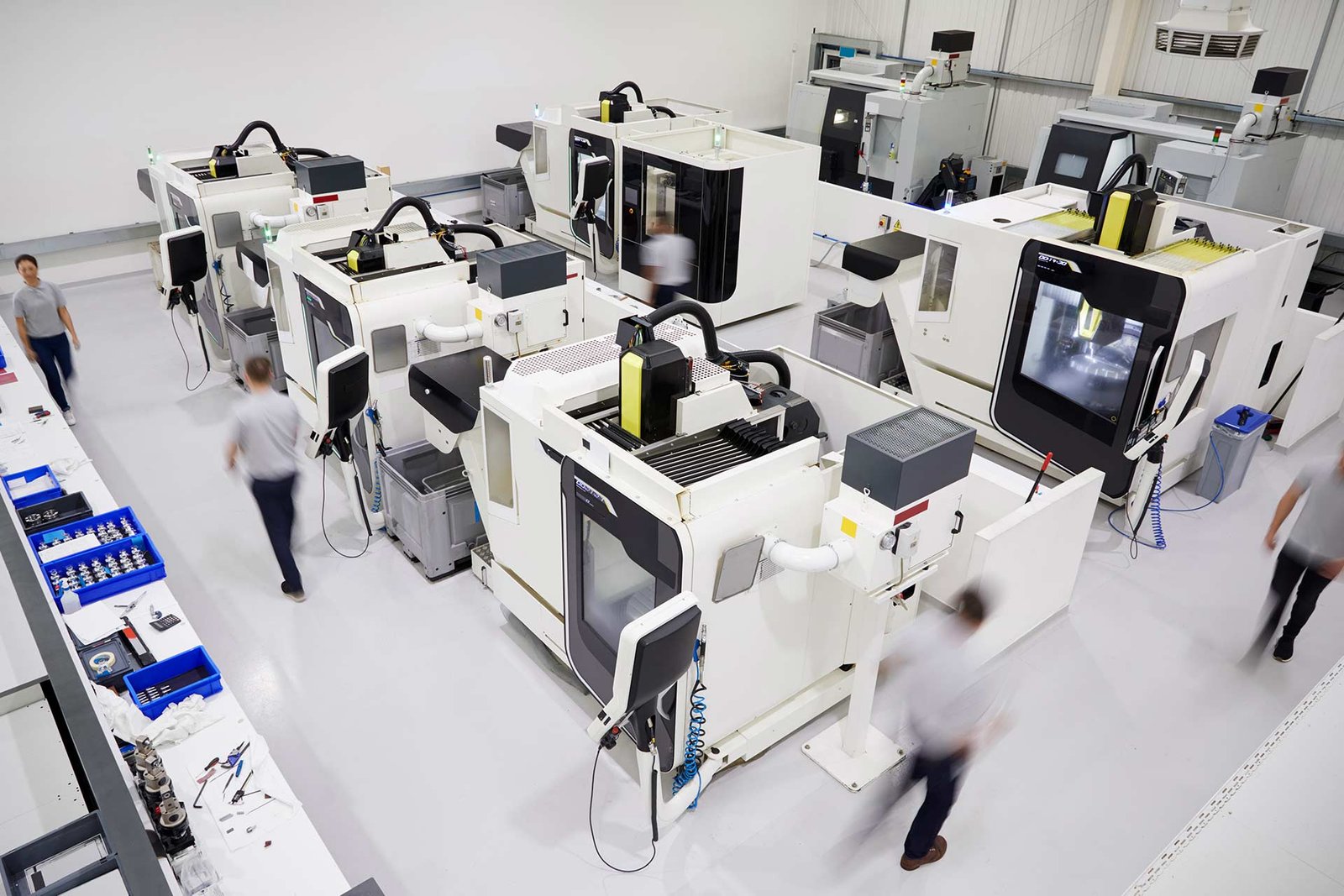
ABS (Acrylonitrile Butadiene Styrene) is a durable engineering thermoplastic designed for both FFF (Fused Filament Fabrication) and FGF (Fused Granulate Fabrication) 3D printing. Known for its excellent impact resistance, mechanical strength, and heat resistance, ABS is widely used for functional prototypes, manufacturing tools, automotive components, industrial equipment, and end-use production parts.
ABS has been one of the most trusted 3D printing materials in industrial additive manufacturing for decades. Its combination of strength, toughness, and dimensional stability makes it suitable for producing parts that must withstand mechanical loads, repeated use, and elevated temperatures. Whether supplied as filament for FFF printers or pellets for FGF systems, ABS delivers reliable performance for professional manufacturing and large-scale production.
Why Choose ABS for 3D Printing?
ABS is an engineering-grade thermoplastic that offers an excellent balance of strength, durability, and printability. Compared with general-purpose materials, it provides better impact resistance and thermal performance, making it suitable for functional industrial applications.
Whether using FFF filament printers for high-precision components or FGF pellet printing systems for large-format manufacturing, ABS provides consistent mechanical properties and long-term reliability.
Key Benefits
- High mechanical strength
- Excellent impact resistance
- Superior heat resistance
- Good dimensional stability
- Easy to machine, sand, and paint
- Excellent layer adhesion
- Durable for long-term industrial use
- Suitable for functional prototypes and production parts
Compatible Printing Technologies
ABS is compatible with both industrial additive manufacturing technologies offered by GFac.
FFF (Fused Filament Fabrication)
FFF technology uses ABS filament to manufacture highly accurate components with excellent surface quality. It is ideal for engineering prototypes, functional testing, low-volume production, and precision industrial parts.
FGF (Fused Granulate Fabrication)
FGF technology processes ABS pellets instead of filament, allowing manufacturers to print much larger parts at significantly higher speeds while reducing material costs. It is particularly suitable for automotive tooling, furniture, marine components, moulds, architectural structures, and industrial manufacturing.
Both technologies produce durable ABS parts, while the ideal process depends on production volume, component size, and manufacturing requirements.
Common Applications
ABS is widely used across numerous industries because of its durability and versatility.
Typical applications include:
- Functional prototypes
- Automotive components
- Manufacturing fixtures
- Industrial tooling
- Machine housings
- Robotics components
- Consumer products
- Engineering assemblies
- Production tooling
- Large-format industrial parts
ABS Material Properties
| Property | Typical Value |
|---|
| Material Type | Engineering Thermoplastic |
| Compatible Technology | FFF & FGF |
| Feedstock | Filament & Pellets |
| Nozzle Temperature | 230–260°C |
| Heated Bed Temperature | 90–110°C |
| Impact Resistance | Excellent |
| Heat Resistance | High |
| Dimensional Stability | Good |
| Surface Finish | Good |
FFF vs FGF Printing
| Feature | FFF Filament | FGF Pellet |
|---|
| Material Form | Filament | Plastic Pellets |
| Printing Speed | Medium | High |
| Build Size | Small to Medium | Medium to Extra Large |
| Surface Quality | Excellent | Good |
| Material Cost | Moderate | Lower |
| Best For | Precision Parts | Large Industrial Parts |
Storage and Best Practices
To maintain optimal performance, ABS should be stored in a dry, sealed container with desiccant to minimise moisture absorption. For consistent print quality, use a nozzle temperature of 230–260°C and a heated bed between 90–110°C. An enclosed printer or heated build chamber is recommended to reduce warping and improve layer adhesion, especially when producing large components. Proper ventilation is also recommended during printing due to the fumes generated by ABS at higher temperatures.