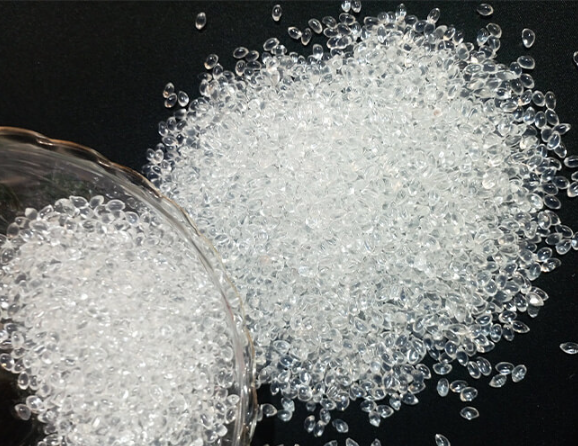
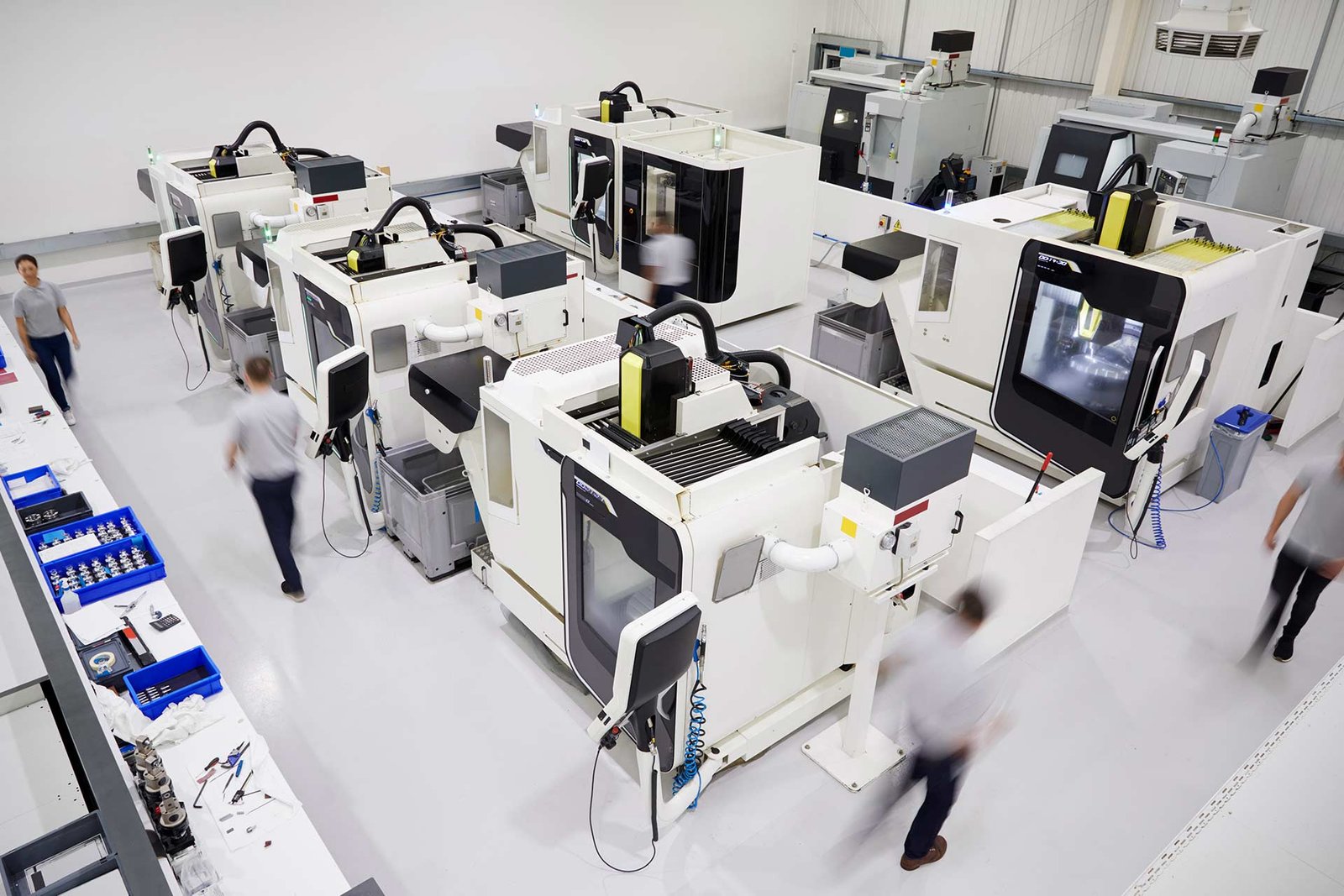
PETG (Polyethylene Terephthalate Glycol) is a versatile engineering thermoplastic designed for both FFF (Fused Filament Fabrication) and FGF (Fused Granulate Fabrication) 3D printing. Combining the easy printability of PLA with the strength and durability of ABS, PETG offers excellent impact resistance, chemical resistance, moisture resistance, and dimensional stability. It is widely used for functional prototypes, industrial tooling, production parts, and end-use components across a wide range of industries.
PETG is one of the most reliable 3D printing materials for industrial additive manufacturing, delivering an excellent balance of strength, flexibility, and printability. Unlike brittle materials, PETG provides outstanding layer adhesion and toughness while maintaining low shrinkage and minimal warping during printing. Available as both filament for FFF printers and pellets for FGF systems, PETG enables manufacturers to produce precision components, medium-volume production parts, and large-format industrial products with consistent quality and long-term durability.
Why Choose PETG for 3D Printing?
PETG is engineered for applications requiring durability, flexibility, and reliable performance. It offers greater impact resistance than PLA while being easier to print than ABS. Its excellent resistance to moisture, chemicals, and UV exposure makes PETG suitable for both indoor and outdoor applications, making it one of the most versatile materials for industrial manufacturing.
Key Benefits
- Excellent impact resistance
- Outstanding chemical and moisture resistance
- Superior layer adhesion
- Low warping and shrinkage
- High dimensional stability
- Better flexibility than PLA
- Durable for long-term industrial applications
- Suitable for functional prototypes and production parts
Compatible Printing Technologies
PETG is fully compatible with both industrial additive manufacturing technologies offered by GFac.
FFF (Fused Filament Fabrication)
FFF technology uses PETG filament to manufacture high-quality engineering components with excellent surface finish and dimensional accuracy. It is ideal for functional prototypes, mechanical parts, enclosures, manufacturing fixtures, and low-volume production requiring precision and durability.
FGF (Fused Granulate Fabrication)
FGF technology processes PETG pellets, enabling manufacturers to produce large-format components with higher printing speeds and lower material costs. PETG pellets are ideal for industrial tooling, automotive components, architectural structures, furniture, marine applications, moulds, and large-scale manufacturing where productivity and material efficiency are essential.
Both technologies deliver excellent mechanical performance, allowing manufacturers to select the most suitable printing process based on component size, production volume, and manufacturing requirements.
Common Applications
PETG is widely used across industries where strength, flexibility, and environmental resistance are essential.
Typical applications include:
- Functional engineering prototypes
- Automotive components
- Industrial fixtures and jigs
- Manufacturing tools
- Machine covers and enclosures
- Medical device housings
- Consumer products
- Food-safe containers (using certified food-grade PETG)
- Outdoor equipment
- Large-format industrial components
PETG Material Properties
| Property | Typical Value |
|---|
| Material Type | Polyethylene Terephthalate Glycol (PETG) |
| Compatible Technology | FFF & FGF |
| Feedstock | Filament & Pellets |
| Nozzle Temperature | 220–250°C* |
| Heated Bed Temperature | 70–90°C* |
| Impact Resistance | Excellent |
| Chemical Resistance | Excellent |
| Moisture Resistance | Excellent |
| Dimensional Stability | High |
*Printing parameters may vary depending on the printer model and material grade.
FFF vs FGF Printing
| Feature | FFF Filament | FGF Pellet |
|---|
| Material Form | Filament | Plastic Pellets |
| Printing Speed | Medium | High |
| Build Size | Small to Medium | Medium to Extra Large |
| Surface Quality | Excellent | Good |
| Material Cost | Moderate | Lower |
| Best For | Precision Engineering Parts | Large Industrial Components |
Storage and Best Practices
Although PETG absorbs less moisture than nylon-based materials, proper storage is still recommended to maintain consistent print quality. Store both filament and pellets in a sealed container with desiccant in a cool, dry environment. For the best results, print at 220–250°C with a heated bed temperature of 70–90°C. Moderate cooling and proper bed adhesion improve surface finish, reduce stringing, and ensure strong layer bonding for both FFF and FGF printing applications.